
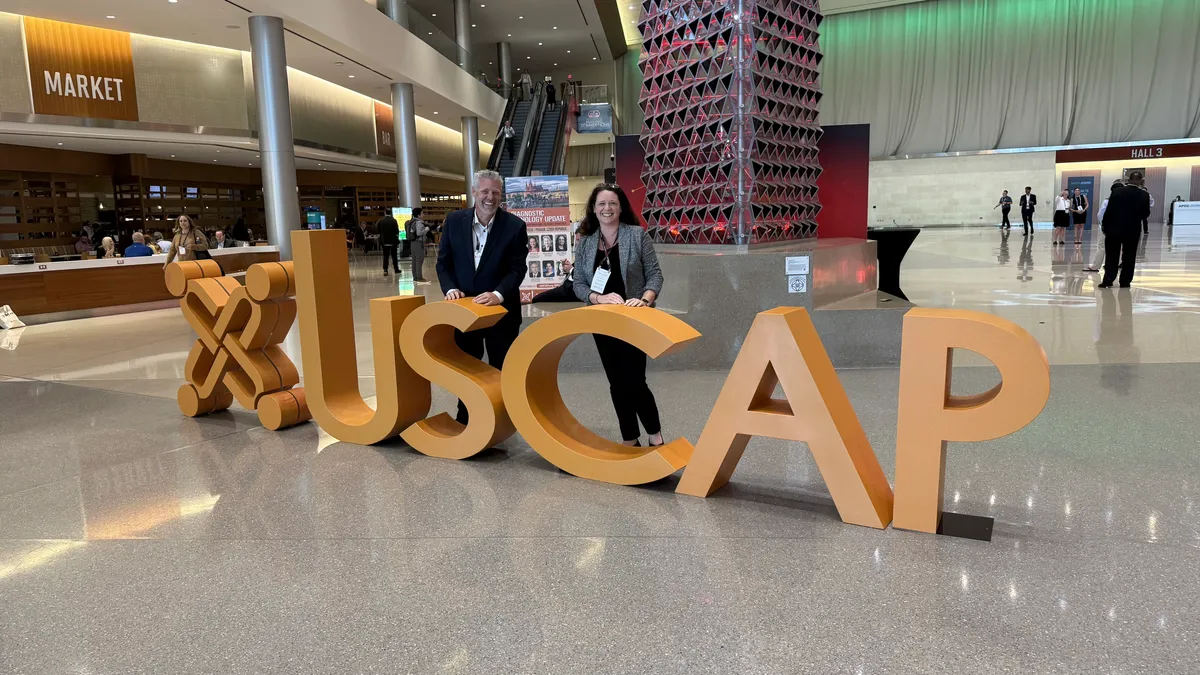
The Tactus AI team just returned from the USCAP 115th Annual Meeting in San Antonio, Texas, where more than 4,000 pathologists, researchers, and industry leaders gathered at the Henry B. González Convention Center for a week of science, collaboration, and forward-looking conversation about the future of diagnostic medicine.
USCAP is the premier global meeting for pathology, and this year’s program featured over 200 scientific and educational sessions spanning every subspecialty, from surgical pathology and cytopathology to molecular diagnostics and digital health. The energy in the exhibit hall was unmistakable: the field is moving fast, and labs are actively seeking the next generation of tools to keep up.
AI Was Everywhere. But What Comes Next?
As expected, artificial intelligence dominated much of the conversation at USCAP 2026. Sessions on computational pathology, AI-assisted diagnosis, and algorithm validation drew standing-room crowds. The progress in digital pathology over the last few years has been remarkable, and the regulatory landscape is starting to catch up, with more FDA-cleared AI tools reaching the market.
But here’s what struck us most: while AI is transforming what pathologists can see on the screen, the physical workflow in most labs, the part where samples are moved, sorted, stained, and loaded onto instruments, still relies heavily on manual labor. That disconnect is one of the biggest bottlenecks standing between today’s labs and the fully integrated diagnostics platforms of tomorrow.
Becoming “Robot Ready”
We had the chance to speak with lab directors, pathologists, and operations leaders from across the country about a concept we’re passionate about: becoming Robot Ready.
What does that mean? It means thinking about lab design, sample handling, and workflow orchestration today in ways that prepare your facility for the robotic and intelligent automation systems that are rapidly approaching clinical deployment. It’s not just about buying a robot; it’s about rethinking how work flows through your lab so that when automation arrives, you can integrate it seamlessly.
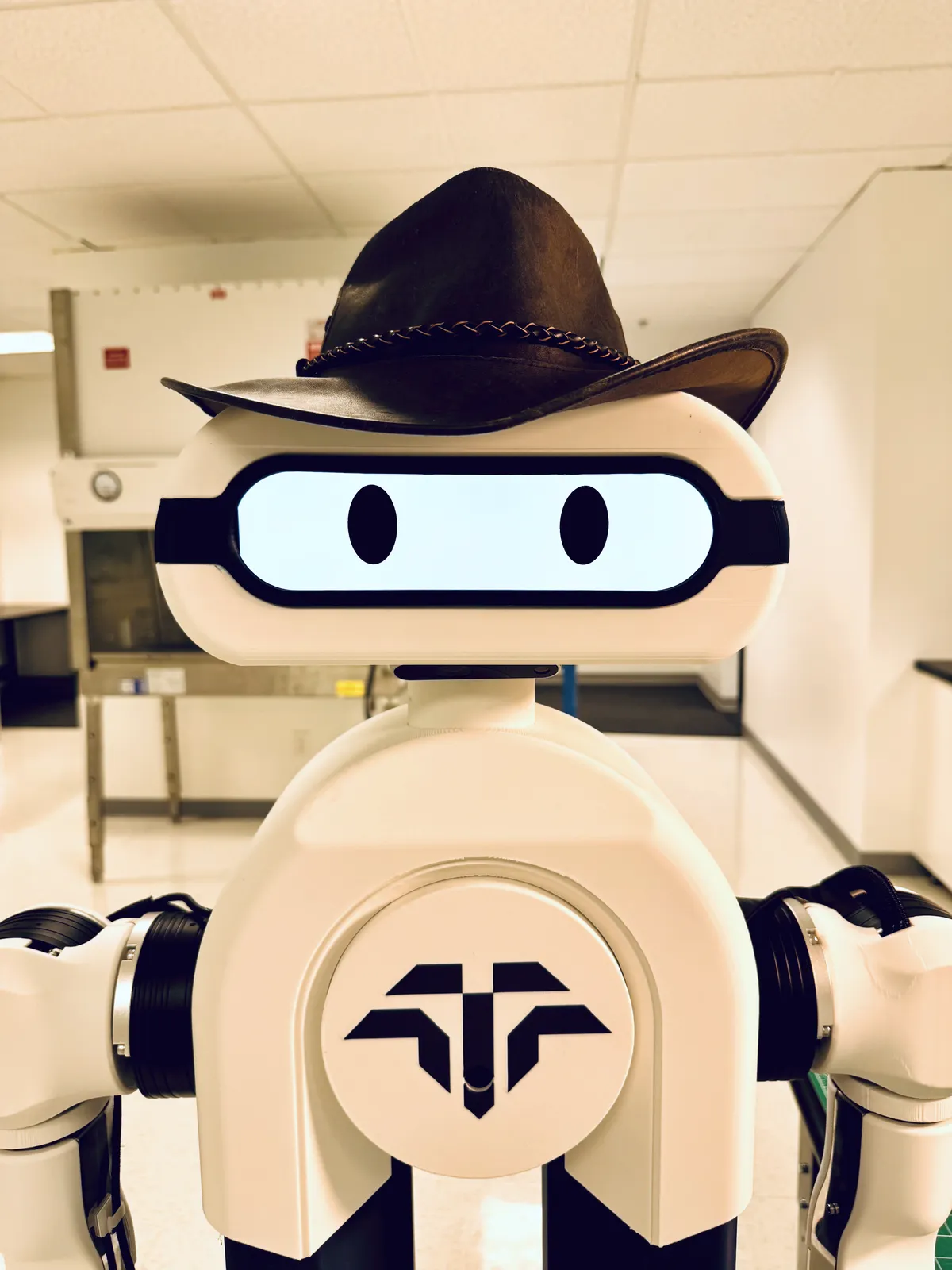 Robot Ready, Texas style
The conversations we had were encouraging. Many labs are already feeling the pressure of staffing shortages, rising volumes, and turnaround time demands. They’re looking for solutions that go beyond point automation; they want systems that can observe, coordinate, and physically execute tasks across the entire workflow. That’s exactly where intelligent robotics comes in.
Bridging the Physical and Digital Lab
One of the most exciting themes at USCAP this year was the convergence of digital pathology, AI, and laboratory informatics. But the missing piece in many of those discussions was the physical layer: how do specimens actually move through the lab? Who loads the stainer at 2 a.m.? Who triages the incoming cases and routes them to the right bench?
At Tactus AI, we believe the next great leap in pathology won’t come from software alone. It will come from pairing intelligent orchestration with embodied systems: robots that can work alongside your team, handle the repetitive physical tasks, and free your pathologists and histotechs to focus on the work that truly requires human expertise.
Looking Ahead
USCAP 2026 reinforced something we hear in every lab we visit: the status quo isn’t sustainable. Labs need more capacity, more consistency, and more resilience, and the workforce pipeline alone won’t fill the gap. The good news is that the technology to address these challenges is maturing quickly, and the pathology community is ready to embrace it.
We’re grateful to everyone we spoke with who shared their challenges, their ideas, and their vision for the future. If you’re thinking about how to prepare your lab for the next wave of innovation, we’d love to continue the conversation.
Want to learn more about becoming Robot Ready? Get in touch with the Tactus AI team.
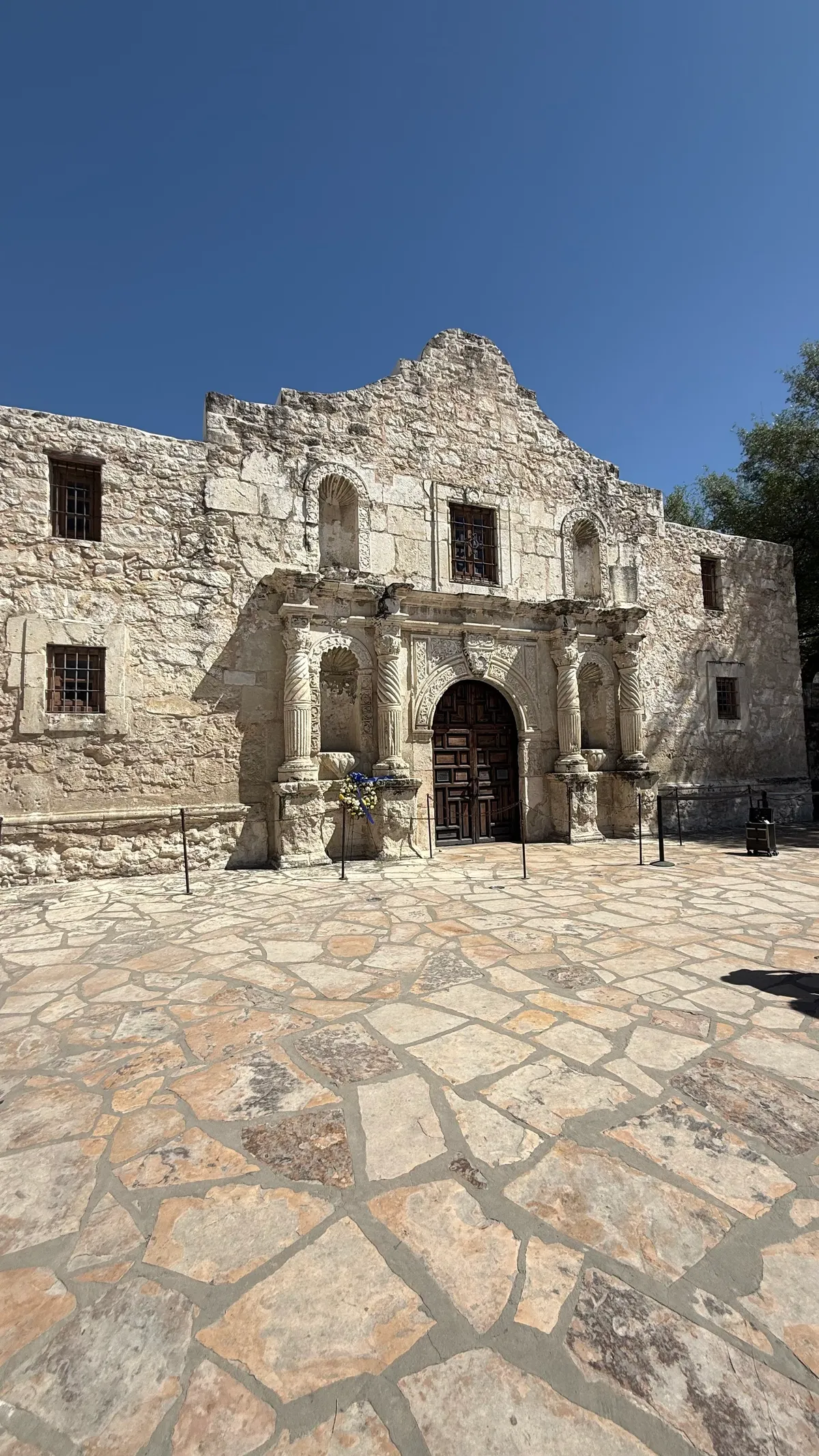 A visit to the Alamo between sessions at USCAP 2026 in San Antonio